Toy and Figurine Design
with AI 3D Models
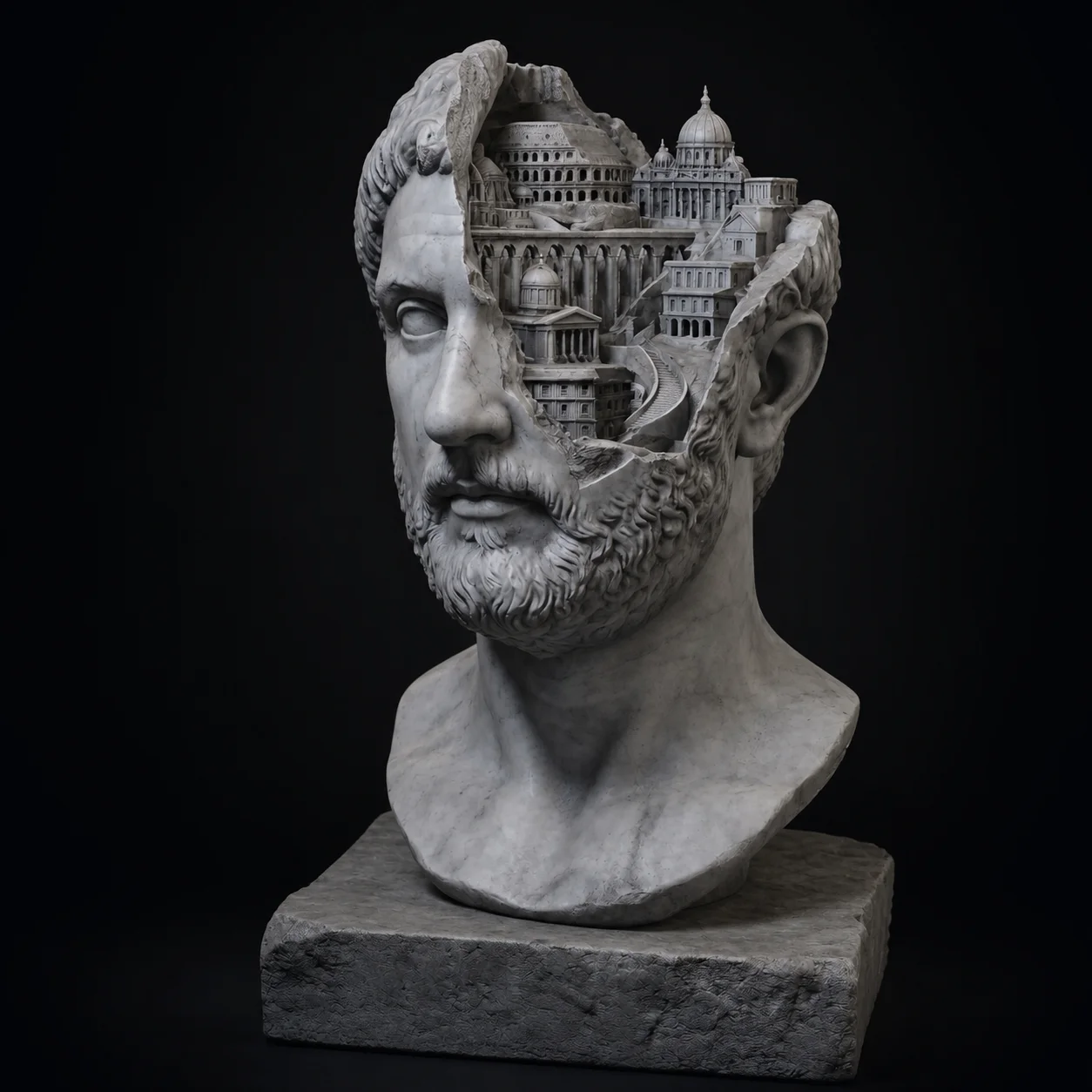
Sculpting a figurine used to be the slow half of the hobby. Meshi AI gets you a printable character in about sixty seconds, so the time goes into scale, supports and paint instead.
How to Design a Figurine in 3 Steps
Sketch, Photo or Prompt
Upload a character sheet, a doodle from a notebook, or a clean photo of the pet you want immortalised in resin. Text to 3D covers original characters that only exist in your head: a chibi knight in oversized plate armour, holding a comically large turnip. Both routes land in the same viewer.
Judge the Silhouette First
Orbit the mesh and read the outline before you read the detail, because silhouette is what sells a toy on a shelf. Check that hands, weapons and ears stay legible at thumbnail size. Regenerate with exaggerated proportions if the character reads generic. Big head, chunky boots, small waist is the classic fix.
Export STL and Slice
Download STL for the printer, or OBJ and FBX if you plan to cut joints in Blender or refine the face in ZBrush first. Meshes are manifold and watertight, so Lychee, Bambu Studio, OrcaSlicer, PrusaSlicer and Cura take them straight in without a repair pass.
Why Meshi AI Suits Toy and Figurine Makers
Figurine work rewards volume. The more shapes you can put in front of your own eyes in an evening, the better the one you finally print and paint turns out.
Chibi and Stylised Proportions
Toys are not anatomy studies. Ask for three-head-tall chibi proportions, oversized hands, or a stubby collectible build and the mesh follows the exaggeration instead of drifting back toward realism. Stylised shapes also print better at small sizes, because the features are already bold enough to survive at 30 millimetres tall.
Built for Tabletop Scales
Generate once and print at whatever the table uses: 28mm classic, 32mm heroic, or a 75mm display piece. Scale in the slicer against a known height, usually eye level for the miniature line you already own, so a new character sits correctly next to the rest of the warband.
Resin-Ready Geometry
Manifold and watertight meshes are what an MSLA workflow needs before hollowing and drain holes make sense. Load the STL in Lychee, hollow to two millimetre walls, punch drains in a hidden surface, then support from the underside. No mesh repair, no non-manifold edge hunting at midnight.
Custom Pets and Original Characters
A clear side-on photo of a dog, a cat or a rabbit turns into a printable likeness, which is the single best-selling commission category in figurine work. Original characters work the same way from a reference sheet: upload the front view, generate, then adjust the prompt for costume details.
Articulation Comes After
Generate the character as one solid piece, then cut it where the joints belong in Blender: shoulders, hips, neck. Boolean a 4 millimetre peg and a slightly oversized socket, print a test pair, and adjust clearance by a tenth of a millimetre until the fit holds pose without cracking.
Ready for Small-Batch Selling
What you generate is yours to print, paint and sell at a market stall or in a small shop listing. Batch several characters on one build plate, keep the same style preset across a product line so it reads as a set, and use the browser viewer as your own approval step before wasting resin.
From character sketch to resin-ready figurine file in about a minute.
Watertight STL out of the browser, straight into your slicer, at whatever scale the shelf needs.
Try Free →Made with Meshi AI on the Build Plate
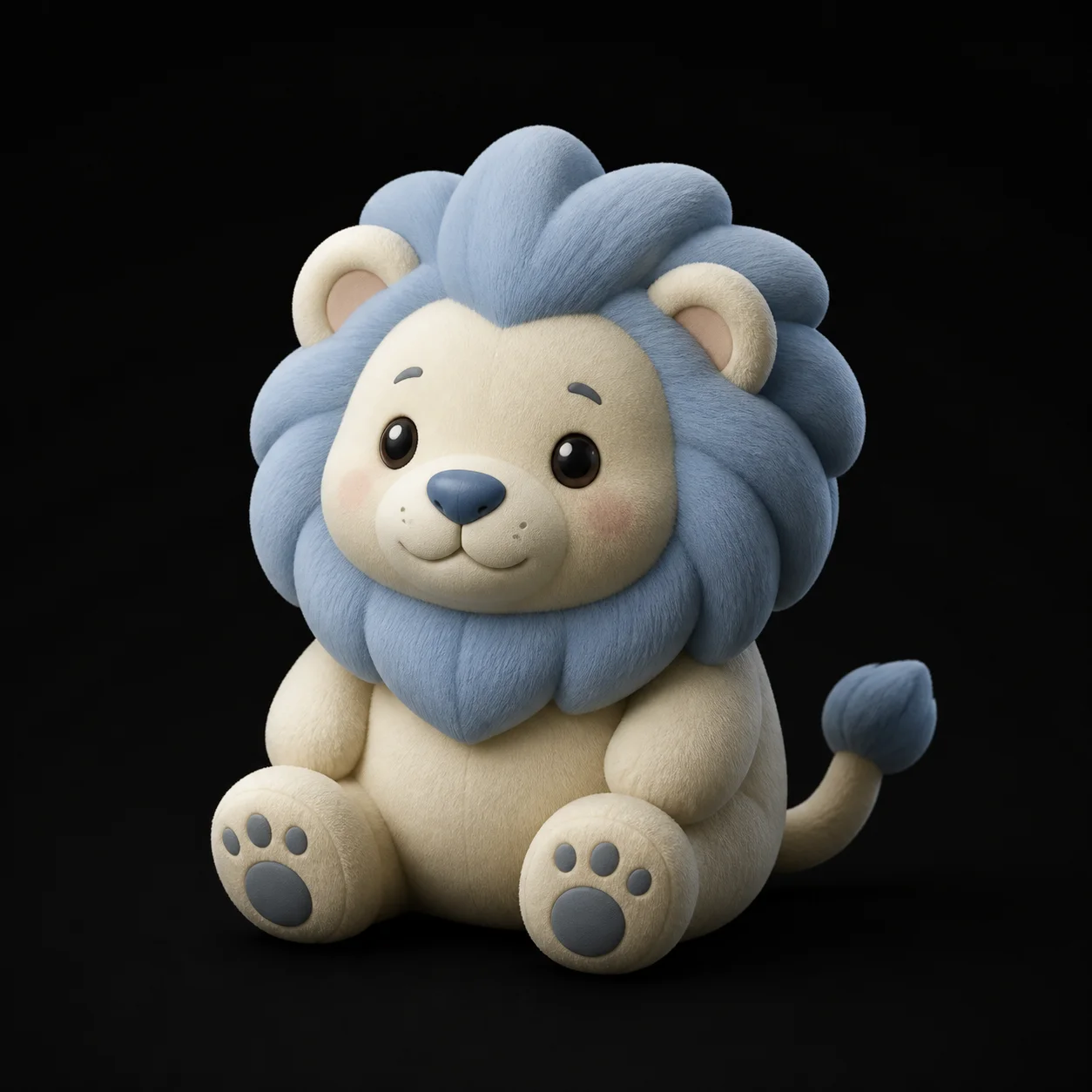
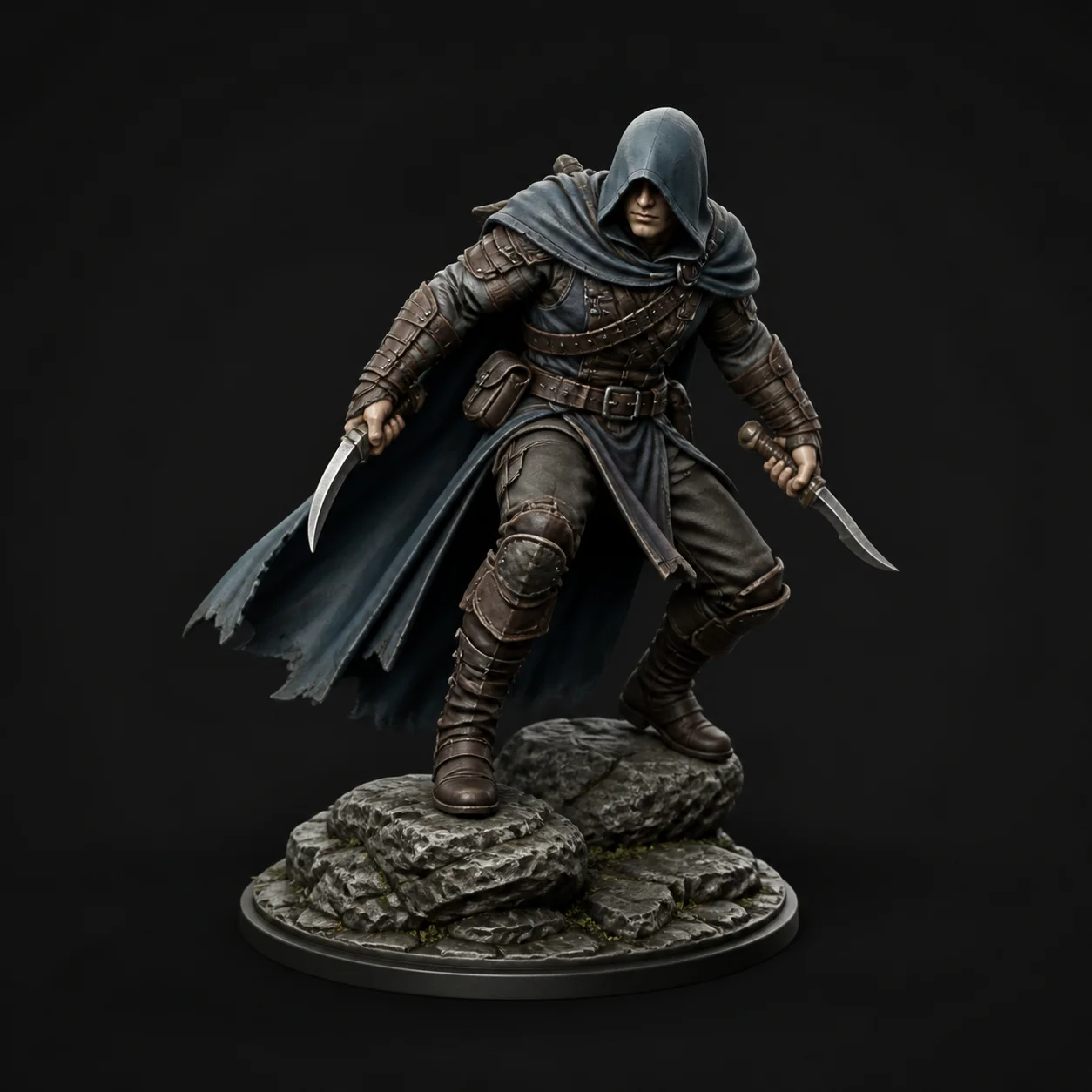
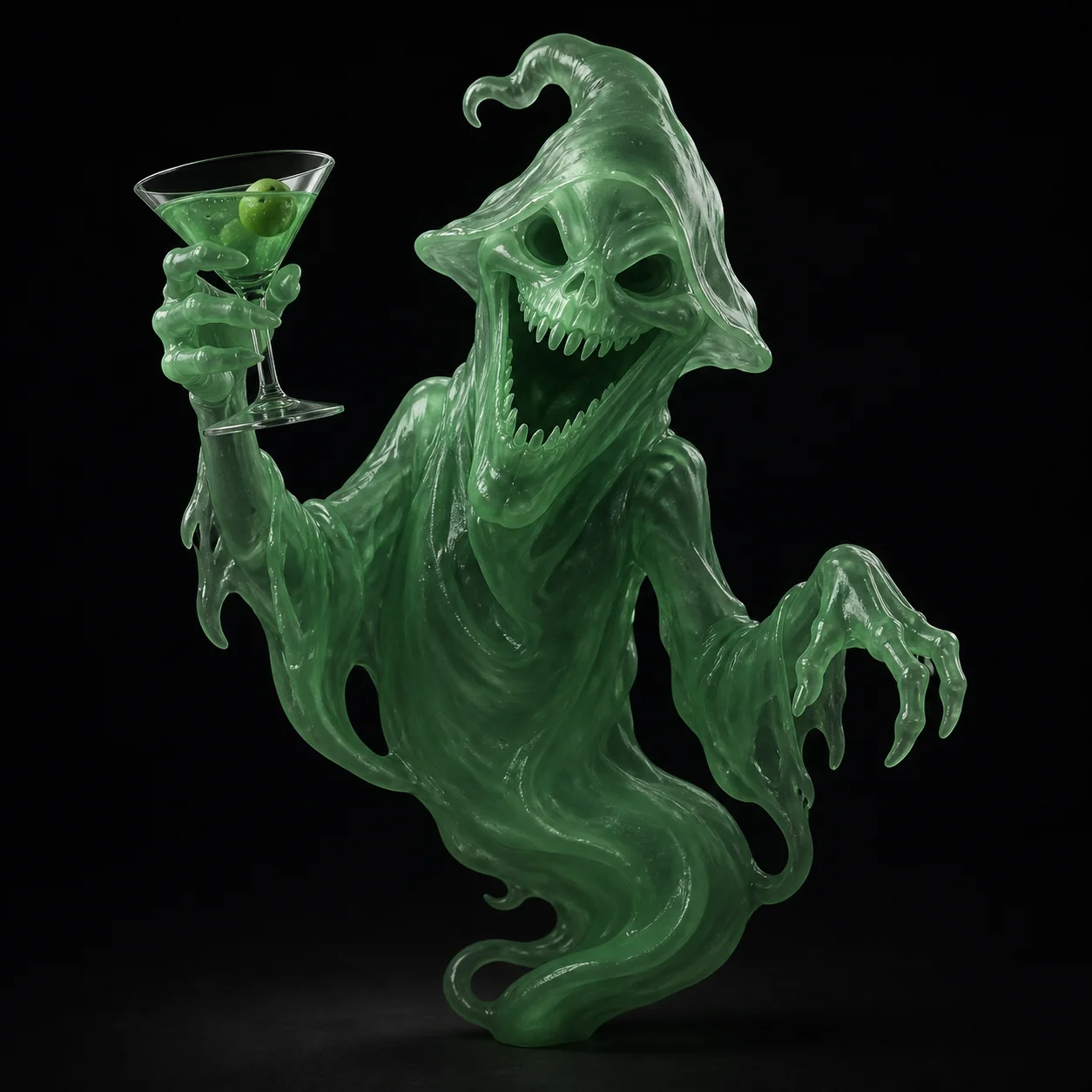
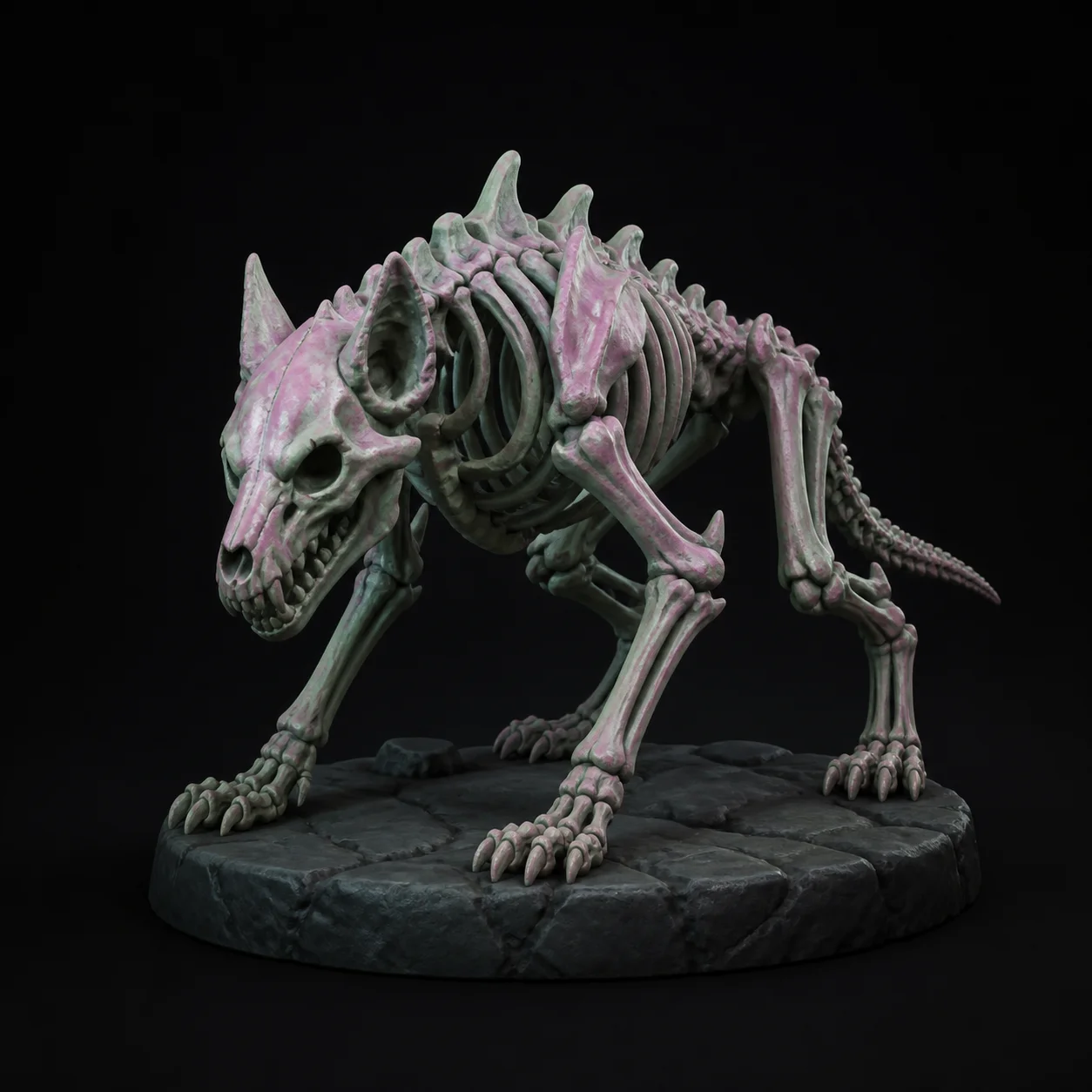
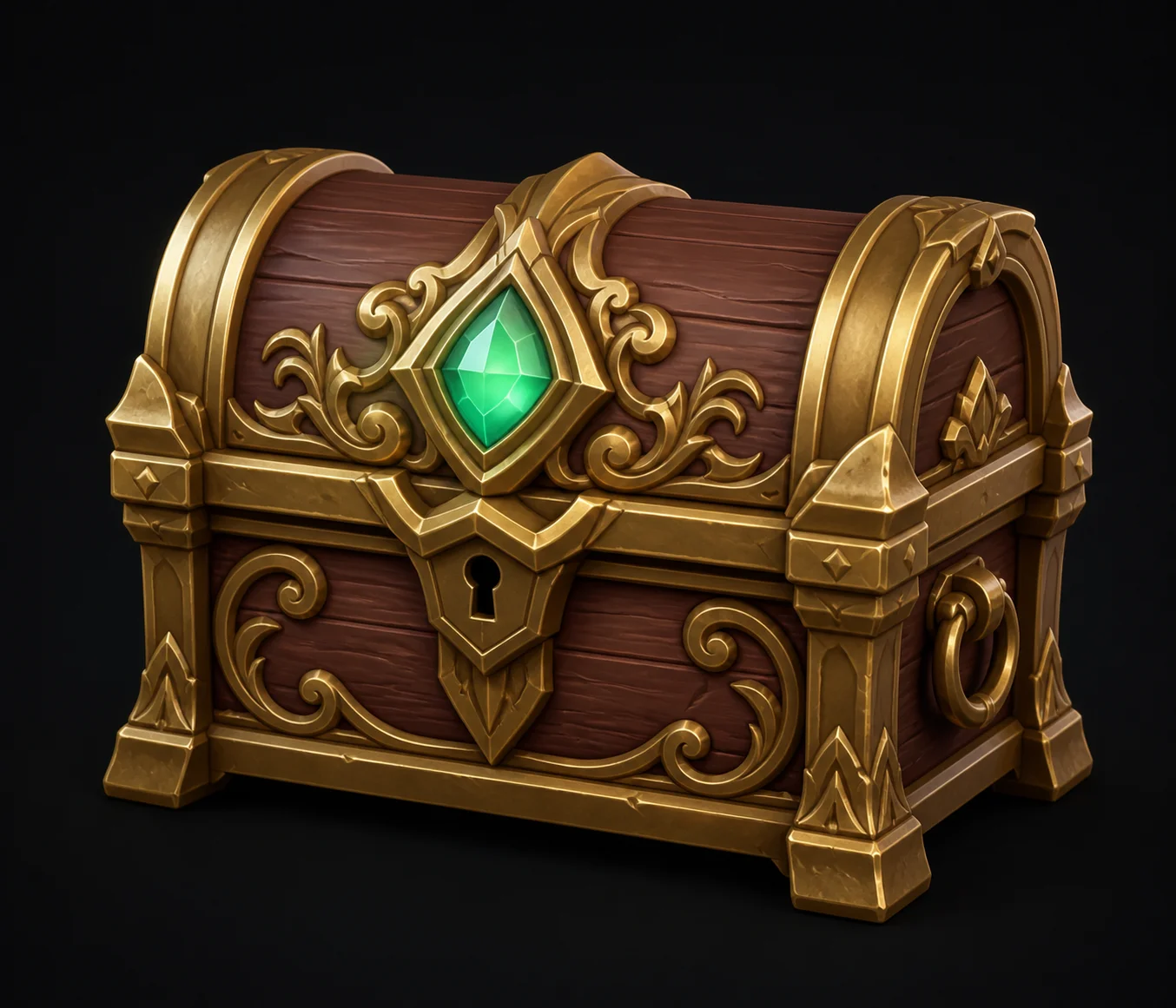
Look through the figurines, creatures and collectibles other makers generated before you write your prompt.
AI Toy and Figurine Design FAQ
Got a character that deserves a shelf?
Upload the reference or describe the character, generate a printable figurine in about a minute, and have it on the build plate tonight.
Try Free →