3D Assets
for VR and AR Experiences
XR punishes slow content harder than any other medium, because a dropped frame is felt rather than seen. Meshi AI gives you a clean, textured GLB in about a minute, which leaves the whole budget conversation to you.

How to Ship an XR-Ready Asset in 3 Steps
Generate the Source Mesh
Describe the prop or upload concept art, and take the result at full detail. Up to 600K faces sounds absurd for a headset, and it is, but a dense source mesh decimates far more gracefully than a sparse one. Treat this file as your master, not as the thing you ship.
Decimate to Budget
Open the GLB in Blender and run decimate until the silhouette starts to soften, then step back one notch. Background props survive at two to five thousand triangles. Objects the user picks up deserve fifteen to thirty. Bake a second and third LOD from the same master while you are there.
Load It in the Headset
Drop the GLB into a Three.js, Babylon.js or A-Frame scene for WebXR, or import into Unity, Unreal Engine or Godot for a native build. Then put the headset on and look at the prop from arm's length, because desktop preview lies about scale and about how hard the edges read.
Why Meshi AI Output Survives a Headset Frame Budget
Standalone hardware gives you 13.9 milliseconds at 72 Hz and 11.1 at 90 Hz to draw two eyes. Content that arrives clean is content you can actually optimise.
GLB Is the XR Format
glTF and its binary GLB container are what WebXR, Three.js, Babylon.js, A-Frame and every modern engine importer expect. No conversion chain, no FBX unit surprises, no missing texture paths. Download the GLB and the material graph, maps and mesh travel together in one file that a browser can stream.
Detail You Can Spend Down
Decimation only works when there is something to remove. A 600K face master gives you a full LOD chain from one generation: a hero mesh for near interaction, a mid version for the room, and a silhouette-only version for distance. Generating low poly directly leaves you nothing to fall back on.
Baked PBR, Cheap Lighting
Diffuse, roughness, metallic and normal maps come baked, which is exactly what a mobile forward renderer wants. Light the scene with a single baked probe or a light HDRI, keep realtime shadows off the small props, and let the normal map carry surface detail that geometry can no longer afford.
WebXR Without a Pipeline
A browser XR demo can be one GLB, one loader and one hit-test. Because there is nothing to install and the export lands in your downloads folder, the loop from idea to something you can view in a headset over local network is short enough to do inside a lunch break.
Real-World AR Scale
AR is unforgiving about size, because the user has a real table to compare against. glTF works in metres, so set the true dimension once on import and keep it. A chair at 0.9 metres and a mug at 0.1 lands correctly on a plane hit-test instead of hovering like a toy.
Texture Memory Discipline
On a mobile chipset, texture memory runs out before triangles do. Resample the baked maps down to 1K for props and 512 for small objects, merge them into an atlas where you can, and compress. Two decisions, made early, are usually worth more frames than any amount of mesh reduction.
Generate at 600K faces, ship at 8K, and still hold 90 Hz on a standalone headset.
One GLB master, a full LOD chain, and baked PBR maps that a mobile renderer can afford.
Try Free →Made with Meshi AI for Headsets
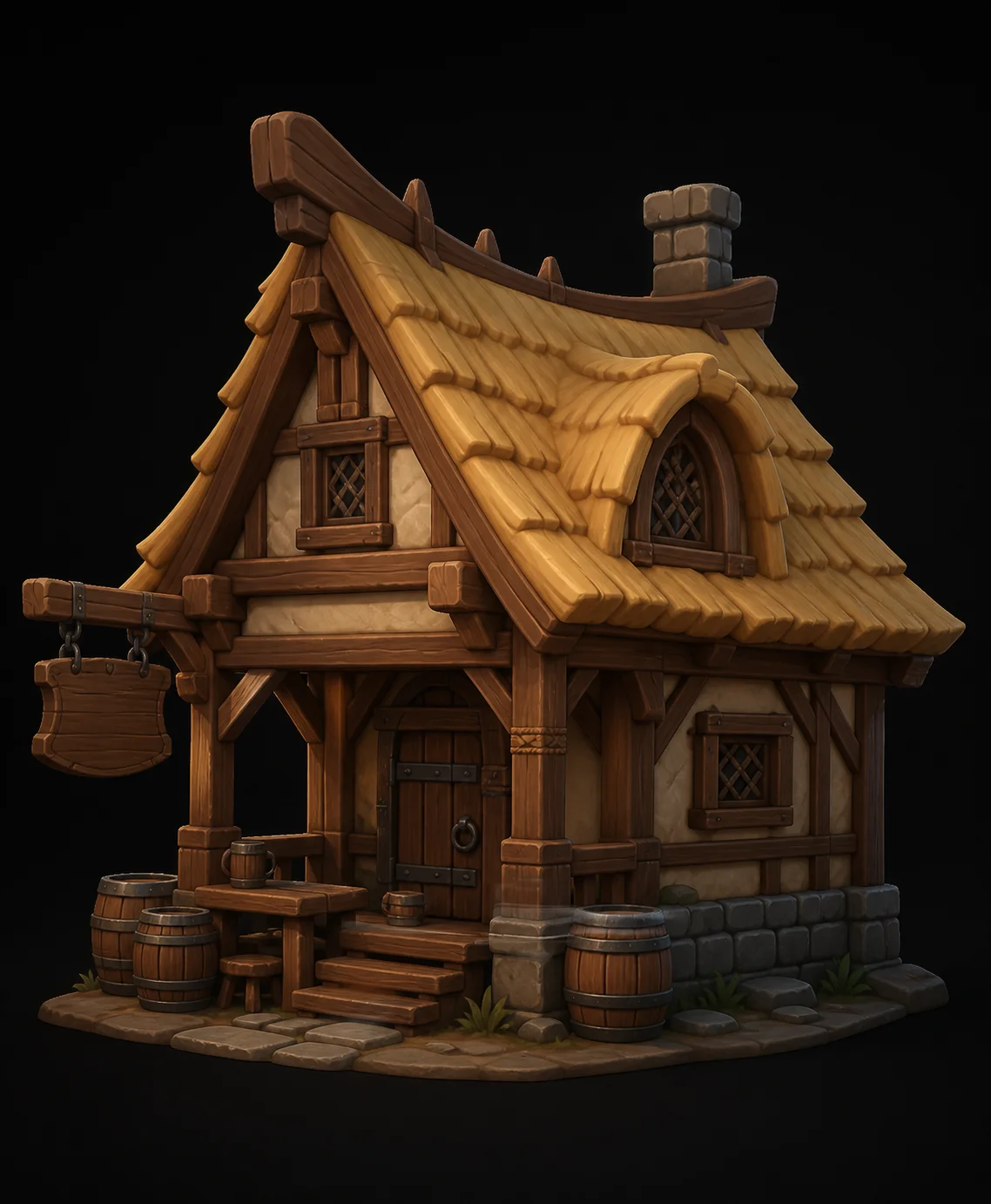
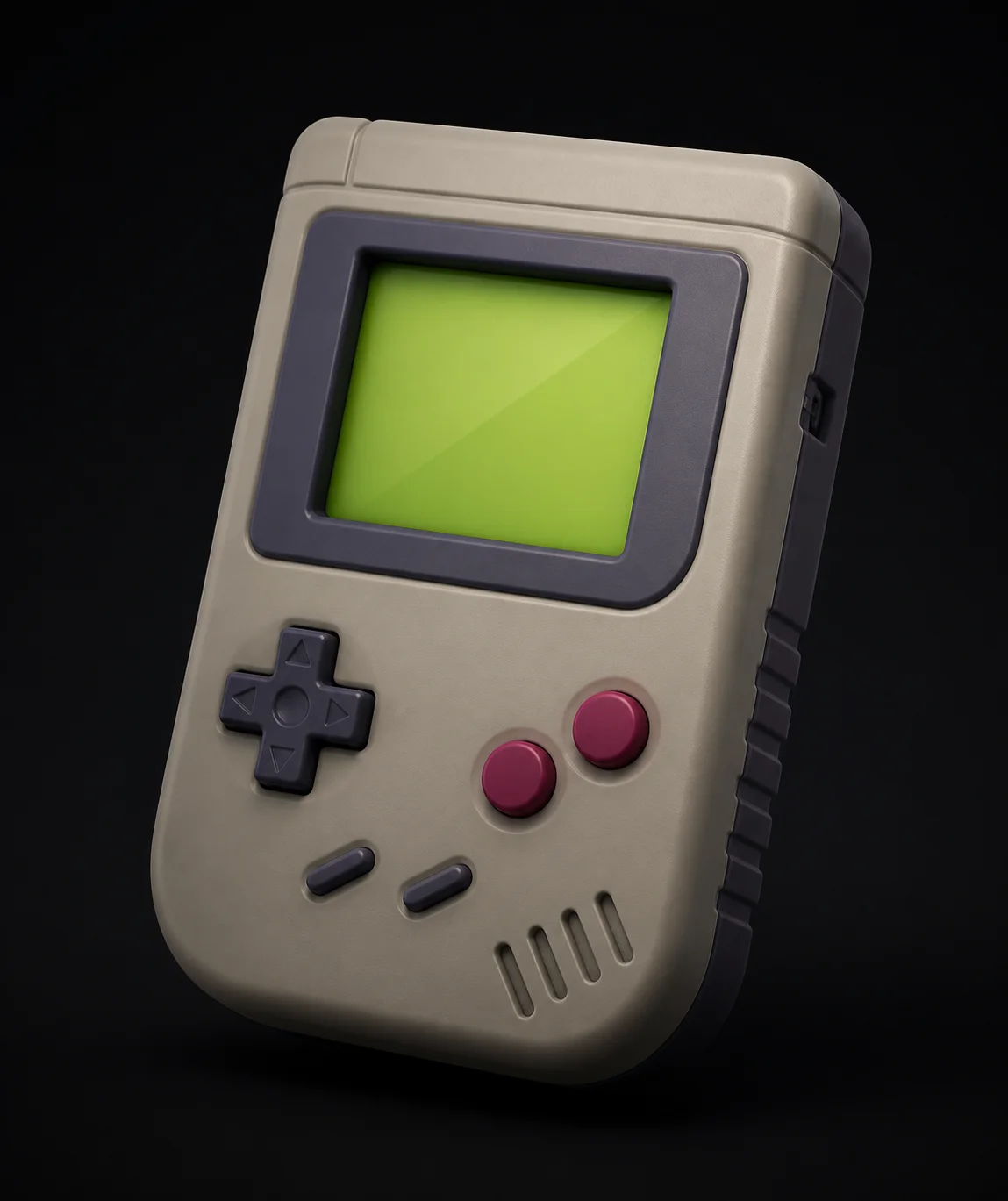
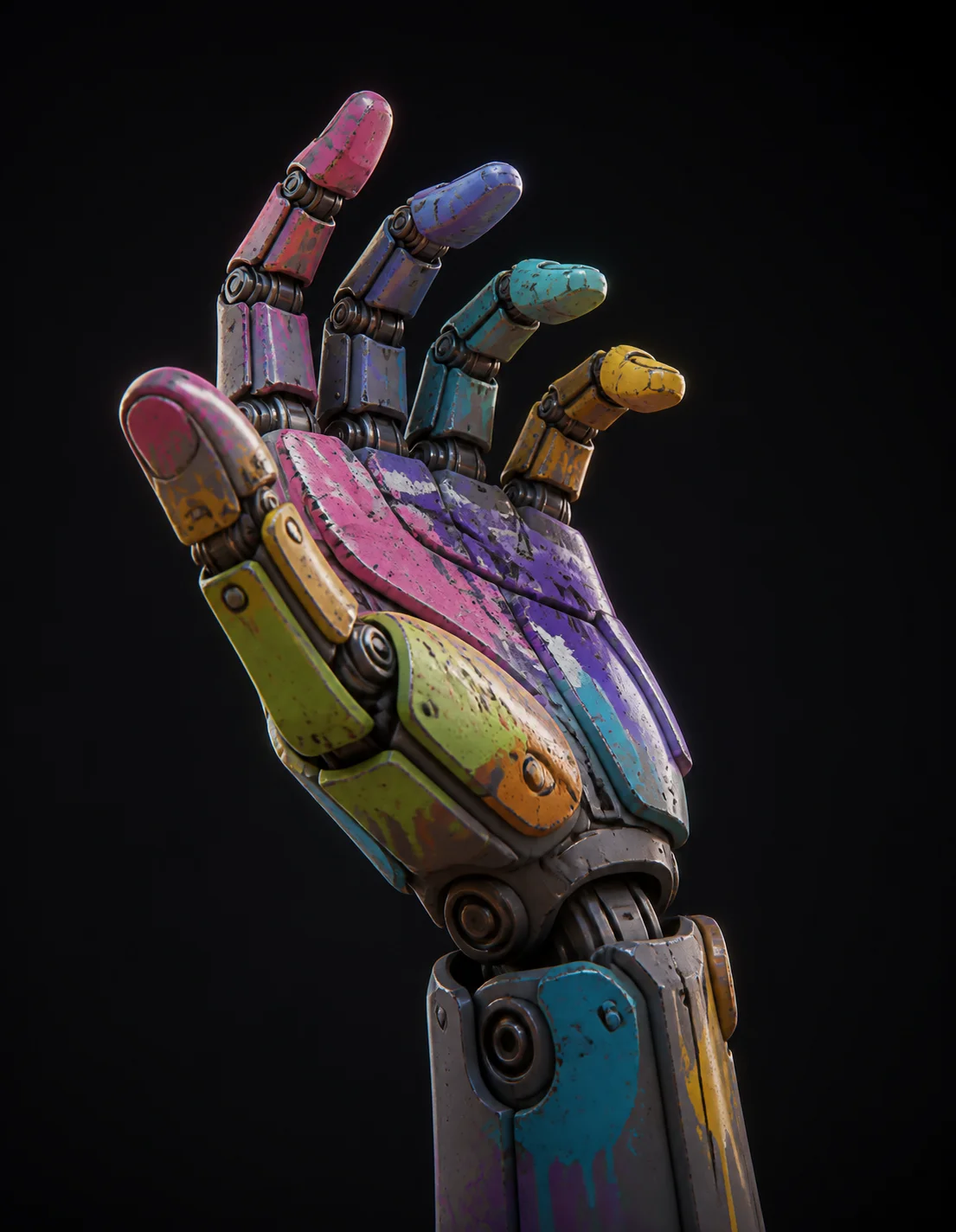
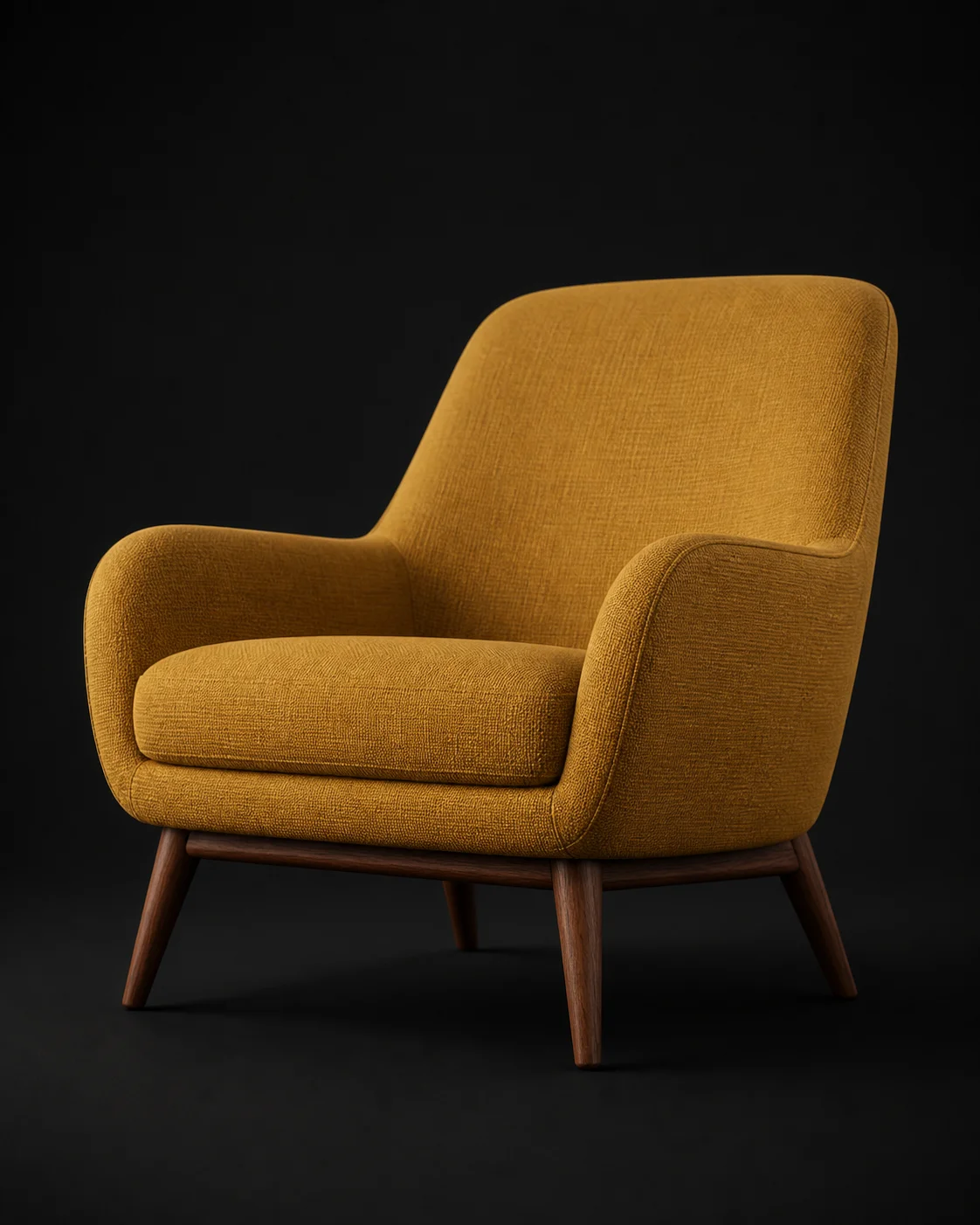
See the props, environments and characters other XR developers generated before writing your own prompt.

3D Assets for VR and AR FAQ
Need a prop in the headset today?
Generate a textured GLB in about a minute, decimate it to your frame budget, and load it into your WebXR scene before the sprint ends.
Try Free →